


Painful or swollen joints
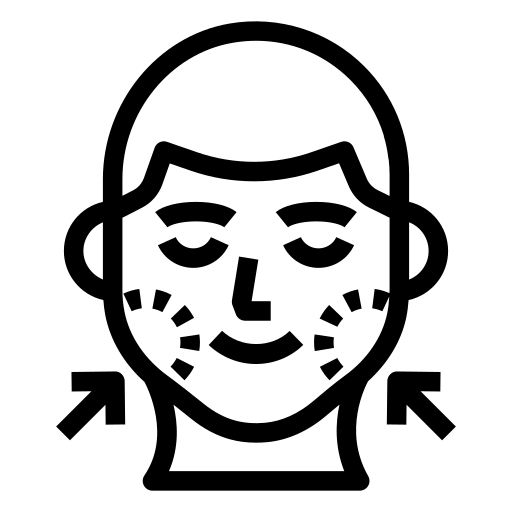
Rash across cheeks and nose

Extreme tiredness

Fevers with no clear cause

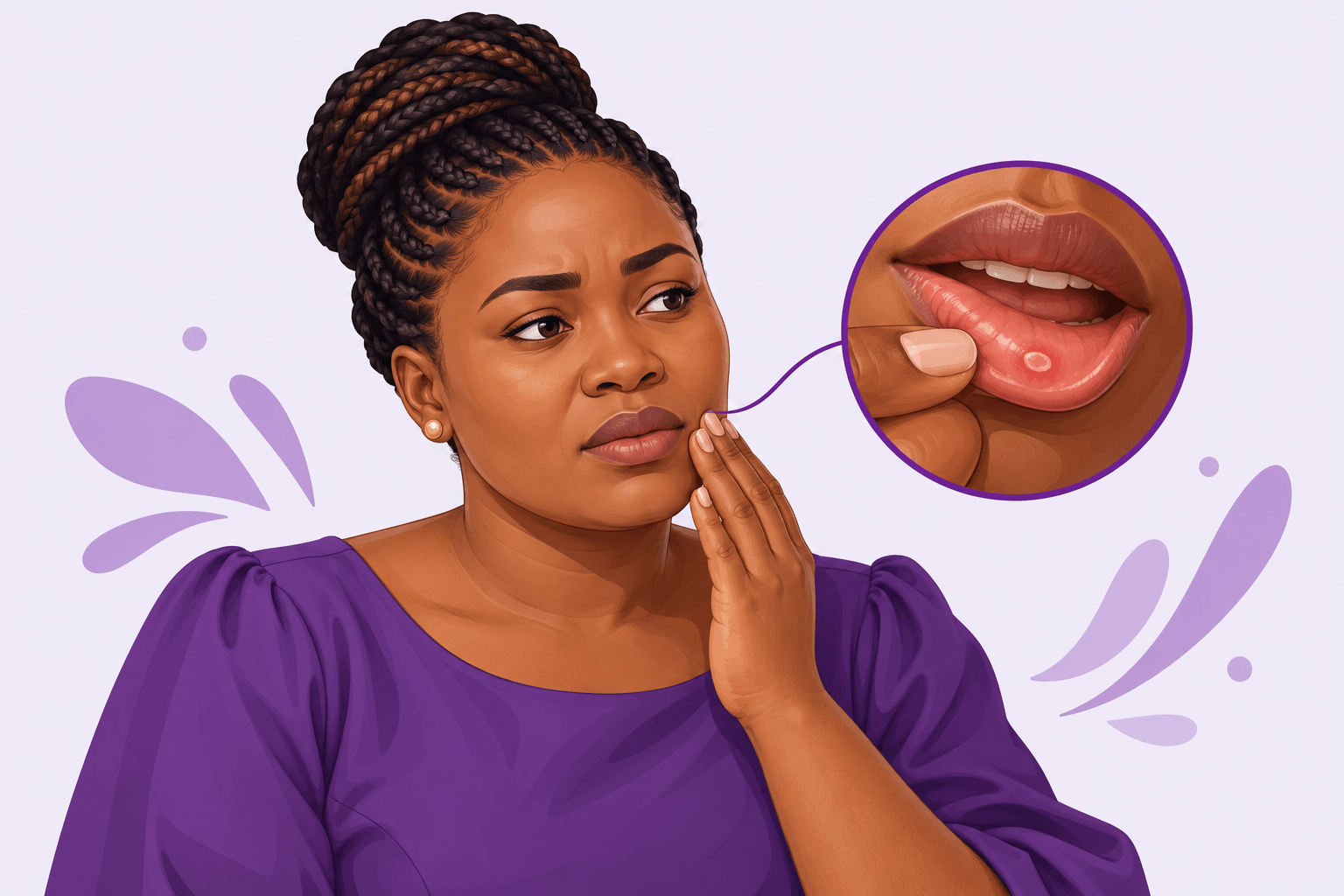
Mouth ulcers
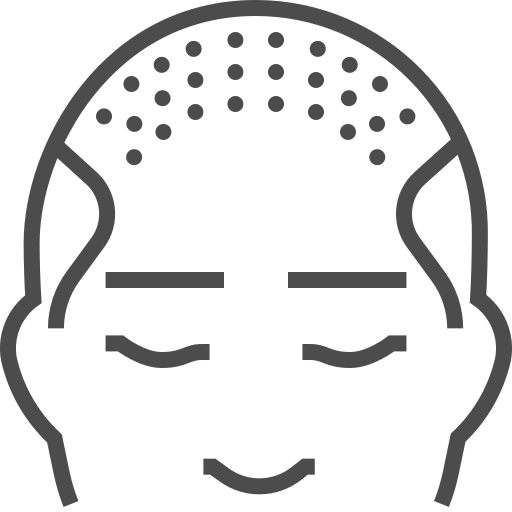
Hair loss

Sensitivity to sunlight

Swollen feet or ankles
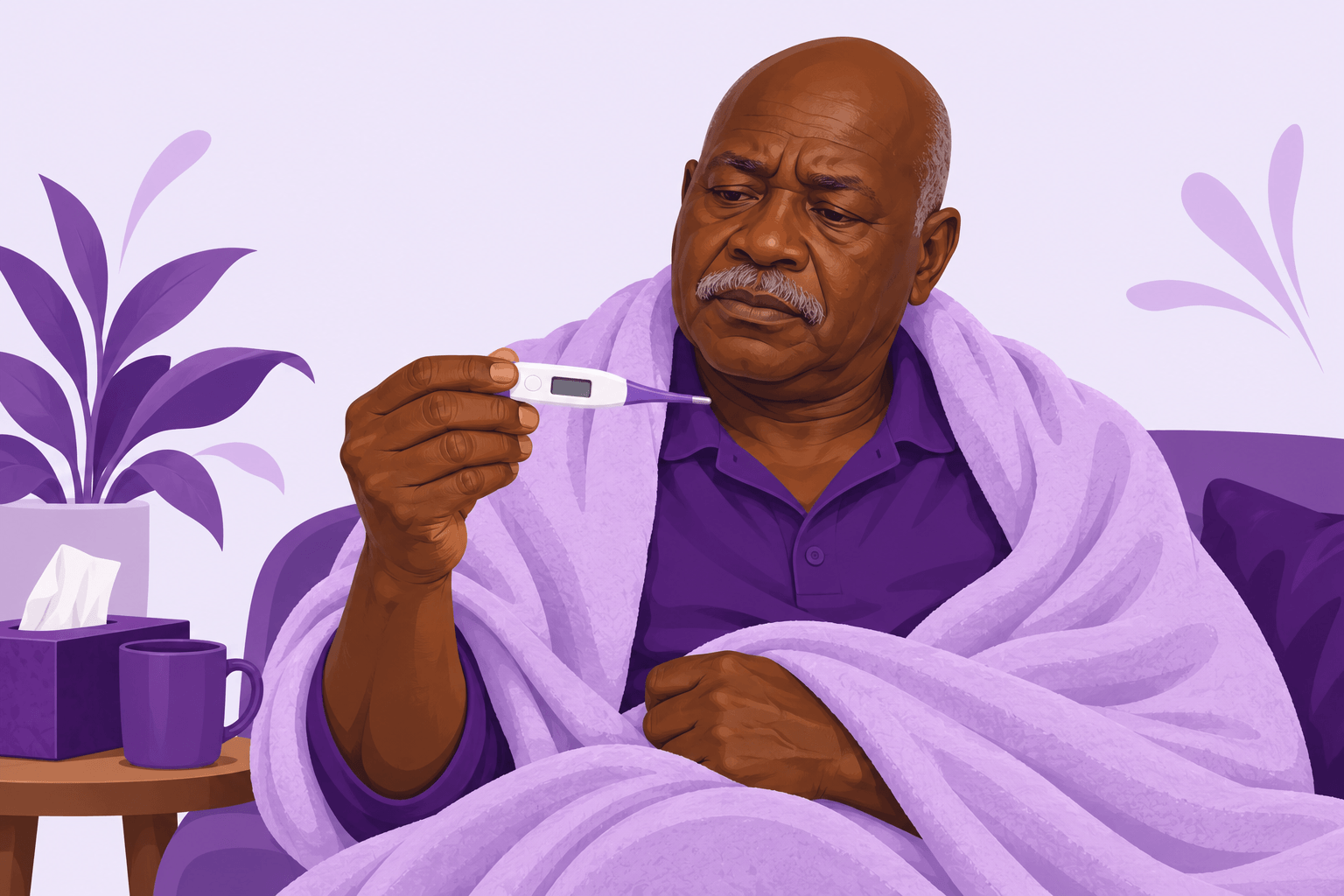
No single test, so ask early
Doctors combine symptoms, an examination and blood and urine tests. Bring a list of symptoms, medicines and questions to your appointment.

Care with your doctor
Treatment aims to control disease activity and protect organs. Discuss your medicines, monitoring and follow-up with your doctor.

Protect your skin
Talk with your health worker about practical steps for your circumstances.

Pace your energy
Talk with your health worker about practical steps for your circumstances.

Plan pregnancy with your doctor
Talk with your health worker about practical steps for your circumstances.
Ask about infection prevention
Talk with your health worker about practical steps for your circumstances.

Monitor your heart and kidneys
Talk with your health worker about practical steps for your circumstances.

Mind your mental health
Talk with your health worker about practical steps for your circumstances.